
Sourcing CNC machined parts from China can cut your part costs significantly and get prototypes into your hands within days. It can also go badly wrong: parts that miss critical dimensions, the wrong alloy, surprise freight costs, or a supplier that goes quiet after taking a deposit. The difference is rarely luck. It comes down to how well you prepare, how you vet suppliers and how clearly you define quality.
This checklist walks engineers and buyers through the whole process, from preparing your RFQ to receiving the first shipment, so you can work with a Chinese machine shop with confidence.
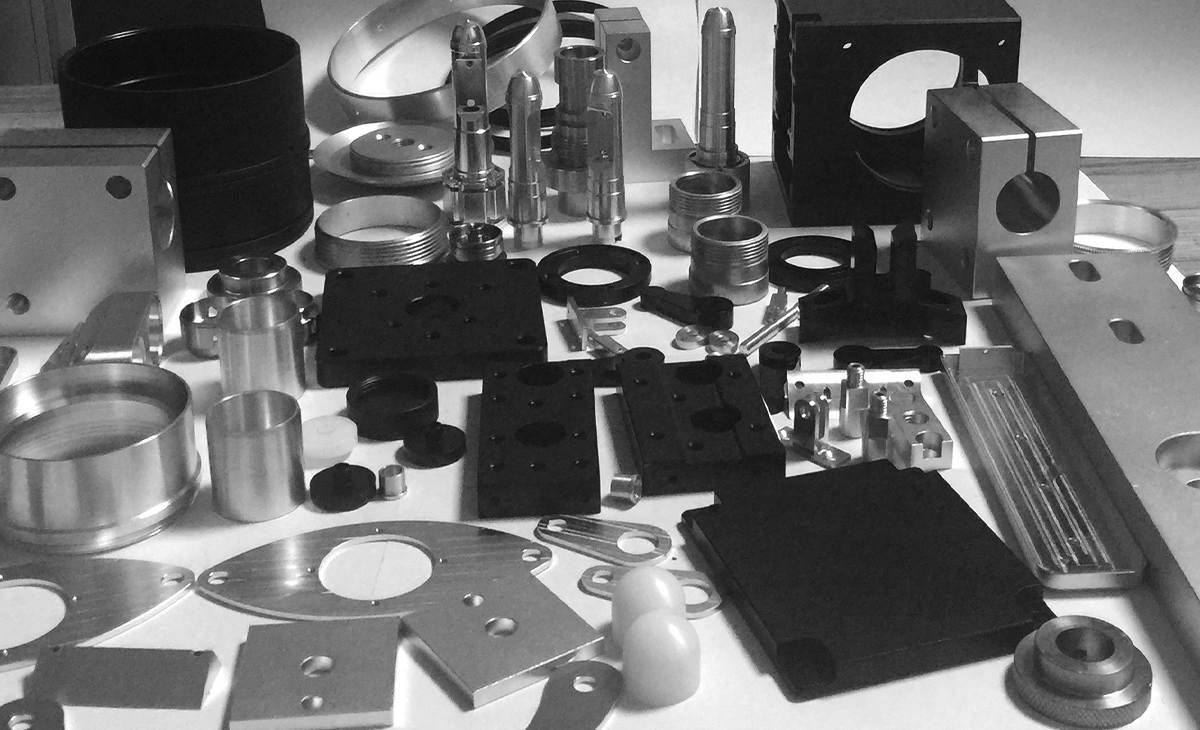
Why Engineers Source CNC Parts from China
China has a dense concentration of CNC machine shops, especially in manufacturing hubs such as Dongguan and Shenzhen in the Pearl River Delta. For buyers, that density means:
- Competitive pricing, particularly for prototypes and low-volume batches where labour and setup make up most of the cost.
- Speed: materials, finishing shops (anodizing, plating, powder coating) and logistics are all close together, so lead times are short.
- Breadth of capability: 3-axis to 5-axis milling, turning, and a wide range of metals and engineering plastics under one roof.
The trade-off is distance. You can’t walk the shop floor, so your documents, your questions and your inspection requirements have to do the work for you. That is what the rest of this guide covers.
Step 1: Prepare a Complete RFQ Package
Most quality problems start with an incomplete request for quote. A good supplier will ask questions, but you’ll get faster, more accurate quotes if you send everything up front:
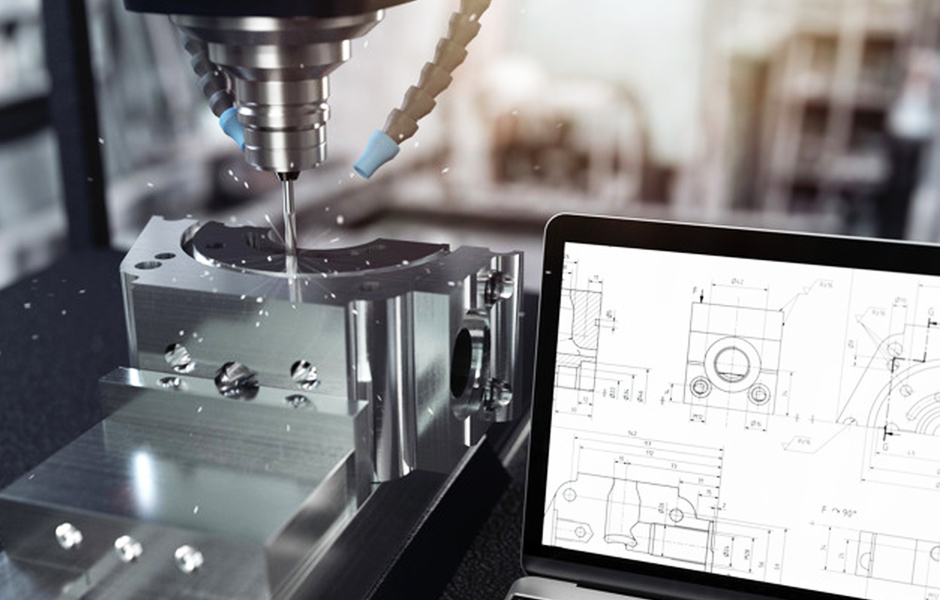
- 3D model in STEP (.stp/.step) format. Avoid sending only native CAD files or STL meshes.
- 2D drawing (PDF) with tolerances, thread callouts, surface finish requirements and any critical dimensions clearly marked.
- Material grade, stated precisely: “6061-T6 aluminum”, not just “aluminum”; “316 stainless”, not just “stainless”.
- Surface finish, including colour and type (e.g. bead blasted + black anodized Type II).
- Quantities, ideally with price breaks (e.g. 10 / 50 / 200 pcs).
- Inspection and documentation needs: material certificates, dimensional report, first article inspection.
- Target delivery date and shipping destination.
If a dimension isn’t toleranced on the drawing, the shop will apply its general tolerance. Make sure you know what that is (see Step 4).
Step 2: Shortlist the Right Suppliers
Searching marketplaces will return hundreds of “factories”. Many are trading companies that subcontract your work. That isn’t automatically bad, but you should know who is actually cutting your parts. When shortlisting, check:
- Factory or trader? Ask for the factory address, photos or video of the workshop, and a list of machines.
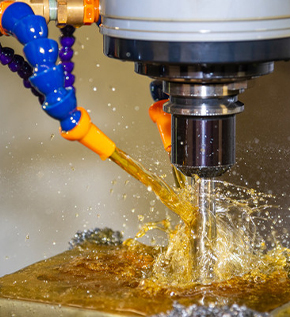
- Relevant capability: number of axes, maximum part size, in-house turning, and which finishes are done in-house versus outsourced.
- Engineering feedback: a good shop will review your design and point out features that are expensive or risky to machine before quoting. This kind of DFM (design for manufacturing) feedback is one of the best signs of a competent supplier.
- Communication: response time, clarity of English, and whether they answer technical questions directly.
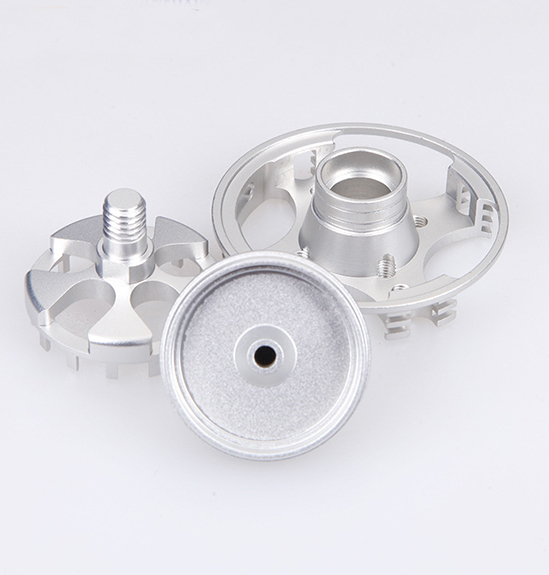
- Similar past work: ask for photos of parts in the same material and finish as yours.
Step 3: Compare Quotes on Equal Terms
Quotes from different suppliers are often not comparable at first glance. Before choosing on unit price, confirm that every quote includes:
- The same material grade, finish and tolerance requirements
- Setup or programming charges (often hidden in small-batch pricing)
- Finishing costs, which are sometimes quoted separately
- Lead time for production and finishing
- Shipping terms: EXW, FOB or DDP (delivered duty paid) change your landed cost significantly
An unusually low quote is a warning sign, not a bargain. It usually means a cheaper material, a skipped finishing step or a supplier who has not understood your drawing.
Step 4: Define Tolerances and Quality Requirements
Tolerances drive cost. Specify tight tolerances only where the function needs them, and let a general standard cover the rest. Many shops work to ISO 2768, where “m” (medium) is common for general machining and “f” (fine) is tighter. State on your drawing which class applies, for example “General tolerances per ISO 2768-m unless otherwise specified”.
Then agree on how quality will be verified:
- Critical dimensions: mark them on the drawing and ask for a measurement report for each.
- First article inspection (FAI): a full dimensional check of the first parts before the batch continues.
- Material certificates: mill certs confirm you received the alloy you paid for.
- Photos before shipping: a simple but effective way to catch cosmetic or finish problems early.
Step 5: Start with a Prototype or Small Batch
Even with a well-vetted supplier, don’t place a large first order. Order a prototype or a small batch, check fit, function and finish, and give the supplier written feedback. Shops that offer no minimum order quantity make this easy. How a supplier handles your feedback on the first order tells you more than any sales conversation.

Step 6: Protect Your Intellectual Property
IP concerns are often cited as a reason not to source from China, but practical steps reduce the risk considerably:
- Use an NNN agreement (non-disclosure, non-use, non-circumvention) drafted for enforcement in China, rather than a generic Western NDA.
- Split sensitive assemblies across suppliers so no single shop has the complete design.
- Share only the files needed to quote and produce each part.
- If you sell a branded product, consider registering your trademark in China.
IP protection is a legal topic, so for high-value designs speak to a lawyer familiar with manufacturing in China.
Step 7: Plan Payment, Shipping and Duties
Agree on payment terms before production starts. For first orders, a deposit with the balance due after inspection photos is common, and some suppliers accept PayPal or card payments for small prototype orders, which adds buyer protection.
For prototypes and small batches, express couriers (DHL, FedEx, UPS) are usually fastest and simplest. For larger volumes, air or sea freight is cheaper per part but adds time. Remember to budget for import duties. Rates on machined parts imported from China have changed several times in recent years, so confirm the current HTS code and duty rate with your customs broker before you order.
Red Flags to Watch For
- No questions about your drawing, only a price
- Refusal to share workshop photos or video
- Quotes far below every other supplier
- Requests for 100% payment up front on a first order
- Vague answers about material grade or finishing
Quick Checklist
- STEP file + 2D PDF drawing with tolerances and critical dimensions
- Material grade and finish specified exactly
- Factory capability and workshop verified
- Quotes compared on the same scope and shipping terms
- Inspection report and material certs agreed
- Prototype or small batch ordered first
- NNN agreement in place for sensitive designs
- Payment terms, shipping method and duties confirmed
Working with a CNC Machine Shop in China
If you’re looking for a supplier to start with, CNC Rapid is a CNC machine shop in Dongguan offering milling and turning for prototypes and low-volume production with no minimum order quantity. Standard tolerances follow ISO 2768, with tighter tolerances available for precision features — send your drawing for a quote. You can upload your CAD files for a quote and get engineering feedback on your design.
Frequently Asked Questions
Is it safe to buy CNC parts from China?
Yes, provided you vet the supplier, define your quality requirements in writing and start with a small order. Most problems come from unclear drawings or unverified suppliers rather than from the location itself.
What files do I need for a CNC machining quote?
A STEP file for the geometry and a 2D PDF drawing for tolerances, threads and finish requirements. Include material, quantity and finish in your request.
How long does it take to get CNC parts from China?
It depends on part complexity, finishing and shipping method. Simple prototypes can often be machined in days, with express shipping adding a few more. Always confirm production and finishing lead times separately when you request a quote.